
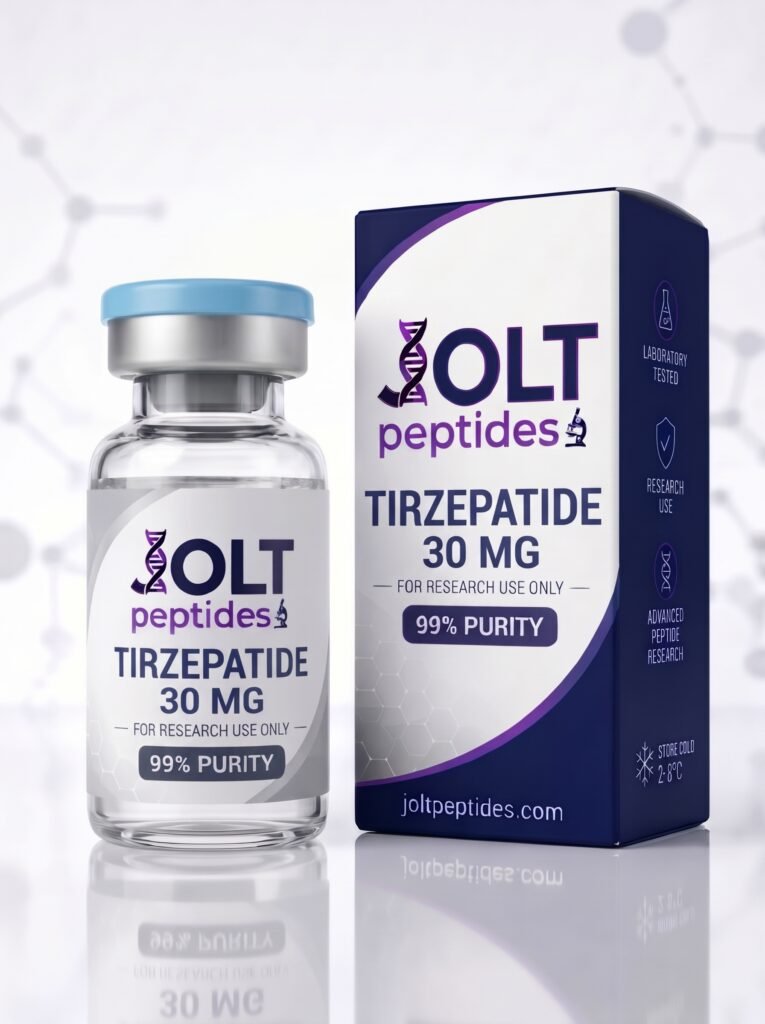
Tirzepatide 30 mg
GIP and GLP-1 receptor dual agonist · LY3298176
In stock · ships within 24 hResearch areas
- Body weight and obesity
- Type 2 diabetes and HbA1c
- Sleep apnoea
- Heart failure (HFpEF)
- Once-weekly dosing in trials
Topics of published studies (cell, animal and clinical). These are not claims about effects in humans; the product is intended solely for research. You will find the sources below.
What the SURPASS and SURMOUNT trials showed- Content
- 30 mg
- Receptors
- GIP · GLP-1
- Mol. weight
- 4,813.5
- CAS
- 2023788-19-2
 Z-Box, pick-up point or home delivery
- Ships from the Netherlands within 24 hours
- Free shipping over €100
- Discreet packaging
Main research areas
- Body weight: In the 72-week SURMOUNT-1 trial, mean weight fell by up to 20.9%.
- Glucose control: Lowered HbA1c more than Semaglutide 1 mg in SURPASS-2.
- Sleep apnoea: Reduced breathing interruptions in SURMOUNT-OSA.
- Heart and liver: Studied in heart failure with preserved ejection fraction and in fatty liver.
- Pharmacology: Half-life of about 5 days, given once weekly in trials.
Stock solution and trial doses
Preparing a stock solution
The vial contains 30 mg. Dissolving it in 3.0 ml of bacteriostatic water gives a stock solution of 10 mg/ml, i.e. 1 mg in every 0.1 ml. Add the solvent slowly down the inside wall of the vial and let it dissolve with gentle swirling, not shaking. Label the vial with the concentration and date and keep it at 2–8 °C.
Weekly doses in the SURPASS and SURMOUNT trials
Trials started at 2.5 mg and raised the dose by 2.5 mg every 4 weeks until the assigned target (5, 10 or 15 mg) was reached. The volumes below correspond to a 10 mg/ml solution.
| Weeks | Weekly dose | Volume at 10 mg/ml |
|---|---|---|
| 1–4 | 2.5 mg | 0.25 ml |
| 5–8 | 5 mg | 0.50 ml |
| 9–12 | 7.5 mg | 0.75 ml |
| 13–16 | 10 mg | 1.00 ml |
| 17–20 | 12.5 mg | 1.25 ml |
| 21+ | 15 mg | 1.50 ml |
These are published study protocols, not dosing recommendations. The reconstitution calculator converts other volumes.
Side effects and research notes
- As a finished medicine Tirzepatide is approved, but this lyophilized material is for research only.
- The most common adverse events in trials were gastrointestinal – nausea, diarrhoea, vomiting and constipation – mostly mild to moderate and during dose escalation.
- The approved products carry a warning about thyroid C-cell tumours seen in rodents.
- Pancreatitis and gallbladder events were reported as rare risks.
- Slower stomach emptying can affect absorption of oral substances in experimental settings.
Tirzepatide (development code LY3298176) is a 39-amino-acid peptide that activates two incretin receptors with one molecule: GIP and GLP-1. It was the first dual agonist of its kind to be approved – for type 2 diabetes in 2022 and for weight management in 2023 – and it is one of the most studied metabolic peptides today. In the 72-week SURMOUNT-1 trial, the highest dose group lost on average 20.9% of body weight.[1][2]
How Tirzepatide works: two incretins in one molecule
GIP and GLP-1 are gut hormones released after a meal. Both increase insulin secretion when blood sugar is high; GLP-1 also slows stomach emptying and signals fullness, while GIP acts on fat tissue and appears to soften the nausea associated with GLP-1 activity. Tirzepatide is built on the GIP sequence and is roughly as potent as natural GIP at the GIP receptor, but weaker than natural GLP-1 at the GLP-1 receptor – an "imbalanced" profile that favours GIP.[1] A C20 fatty diacid on lysine 20 binds blood albumin and stretches the half-life to about five days, so trials give it once a week.[3]
| Peptide | Receptors | Status |
|---|---|---|
| Semaglutide | GLP-1 | Approved medicine |
| Tirzepatide | GIP + GLP-1 | Approved medicine |
| Retatrutide | GIP + GLP-1 + glucagon | Phase 3 trials |
Clinical trial results
Tirzepatide was tested in two large phase 3 programmes: SURPASS in type 2 diabetes and SURMOUNT in obesity. The graphic above shows the dose-dependent weight change from SURMOUNT-1; the table summarises key studies.
| Study | Population | Key finding |
|---|---|---|
| SURPASS-2, 40 weeks | 1,879 adults with type 2 diabetes | Greater fall in HbA1c and weight than Semaglutide 1 mg at all three doses[4] |
| SURMOUNT-1, 72 weeks | 2,539 adults with obesity or overweight | Mean weight change −20.9% at 15 mg vs −3.1% with placebo[2] |
| SURMOUNT-4 | Withdrawal after 36 weeks | Switching to placebo led to substantial weight regain[5] |
| SURMOUNT-OSA | Obesity with sleep apnoea | Marked fall in breathing interruptions per hour of sleep[6] |
| SURMOUNT-5, 72 weeks | Head-to-head vs Semaglutide | About −20% vs −14% body weight[7] |
Why the GIP component matters
For years GIP was considered a poor target because in people with type 2 diabetes its insulin effect is weakened. Tirzepatide changed that view: adding GIP activity to GLP-1 gave larger reductions in HbA1c and weight than GLP-1 alone in the SURPASS-2 trial.[4] Researchers are still studying why – candidate explanations include direct effects on fat tissue, better tolerability at higher doses and action on appetite centres in the brain.
Tirzepatide 30 mg: preparation and availability
The vial contains 30 mg of lyophilized peptide. Adding 3.0 ml of bacteriostatic water gives a 10 mg/ml solution, so 0.25 ml contains 2.5 mg. The escalation schedule used in the trials is in the Stock solution and trial doses section, and the reconstitution calculator converts other volumes. For a full overview, read our article What is Tirzepatide? The dual agonist explained. For comparative research we also stock the triple agonist Retatrutide 20 mg.
Tirzepatide is an approved medicine only as the manufacturer's finished product. This lyophilized material is intended solely for laboratory research, not for use in humans or animals.
Questions about Tirzepatide
What is Tirzepatide?
Tirzepatide (LY3298176) is a synthetic peptide of 39 amino acids developed by Eli Lilly. One molecule activates two incretin receptors, GIP and GLP-1, which is why it is called a dual agonist or “twincretin”.
How does Tirzepatide differ from Semaglutide?
Semaglutide activates only the GLP-1 receptor; Tirzepatide adds the GIP receptor. In the head-to-head SURMOUNT-5 trial, Tirzepatide led to greater average weight loss after 72 weeks (about 20% versus 14%).
What did the SURMOUNT-1 trial show?
In 2,539 adults with obesity or overweight, mean body weight fell after 72 weeks by 15.0% at 5 mg, 19.5% at 10 mg and 20.9% at 15 mg, compared with 3.1% with placebo (Jastreboff et al., NEJM 2022).
How do I prepare a Tirzepatide 30 mg solution?
Adding 3.0 ml of bacteriostatic water to the 30 mg vial gives a 10 mg/ml solution, so 0.25 ml contains 2.5 mg. The peptide calculator works out other volumes.
How long does Tirzepatide last in the body?
Its half-life is about 5 days, thanks to a fatty-acid side chain that binds blood albumin. Steady levels are reached after about 4 weeks of once-weekly dosing.
How should Tirzepatide be stored?
Keep the lyophilized powder dry and dark, long term in a freezer at −20 °C. After reconstitution, keep the solution in the fridge at 2–8 °C and avoid repeated freezing and thawing.
We will publish the Tirzepatide certificate of analysis with the first batch
We send every new batch for independent testing. As soon as Tirzepatide 30 mg is in stock, you will find the lab report here with the purity, identity and vial content results – just like for our other products on the peptide test results page.
Laboratories we work with: Janoshik Analytical, Finnrick and LiquiLabs.
- Purity (HPLC)Share of Tirzepatide in the powderawaiting batch
- Identity (MS)Mass 4,813.5 g/molawaiting batch
- Vial contentDeclared 30 mgawaiting batch
Molecular profile – sequence
Y-Aib-EGTFTSDYSI-Aib-LDKIAQ-K(γGlu-2xOEG-C20 diacid)-AFVQWLIAGGPSSGAPPPS-NH₂
Molecular weight
- 4813.5 g/mol
CAS number
- 2023788-19-2
Molecular formula
- C225H348N48O68
Material data
Appearance
White to off-white lyophilized powder
Solubility
Soluble in bacteriostatic water and suitable aqueous laboratory solvents.
Product note: GIP / GLP-1 receptor dual agonist (LY3298176, 39 amino acids); supplied solely for research purposes.
Peptides in transit
We ship lyophilized peptides in glass vials by standard shipping; they do not need refrigeration. Short temperature fluctuations in transit do not reduce their quality, and the lyophilized form stays stable for several weeks even in summer temperatures.
Storing lyophilized peptides
Store lyophilized peptides in a dry place, protected from light and moisture. We generally recommend these conditions:
- Room temperature (15–25 °C): up to 3 months
- In the fridge (2–8 °C): up to 6 months
- In the freezer (−20 °C and below): 3–5 years (recommended for long-term storage)
After taking the vial out of the fridge or freezer, let it warm to room temperature.
Storing reconstituted peptides
Peptide solutions are generally less stable after reconstitution than the lyophilized form, so keep them cold whenever possible. We generally recommend these conditions:
- Room temperature (15–25 °C): not recommended long term
- In the fridge (2–8 °C): usually 4–8 weeks
- In the freezer (−20 °C and below): up to 3–4 months
To keep the peptide intact, avoid repeated freezing and thawing, which can speed up its degradation.
Important:
Most manufacturers recommend using reconstituted peptides stored at 2–8 °C within 4 weeks. This recommendation is deliberately cautious and may not reflect the actual chemical stability of every peptide. Actual stability depends strongly on the sequence and formulation of the specific peptide, so stick to the recommended period and keep the solution cold and dark.
Scientific sources and citations will appear here.
The research overview is based on scientific literature



Customer reviews
Browse more products
Other research peptides and our best sellers in stock.
KLOW 80 mg
Bacteriostatic water 3 ml
CJC-1295 (no DAC) + Ipamorelin 5 mg + 5 mg
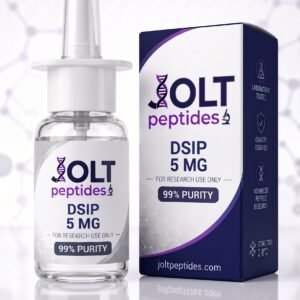
DSIP 5 mg
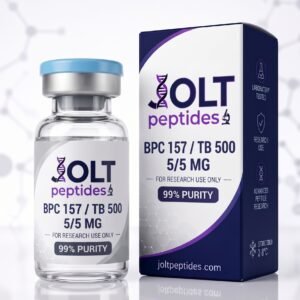
BPC-157 + TB-500 5 mg + 5 mg
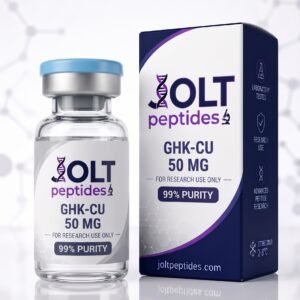
GHK-Cu 50 mg
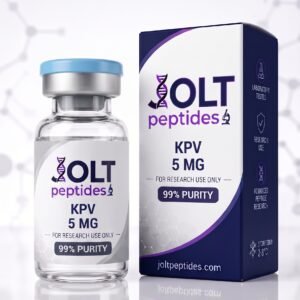
KPV 5 mg
NAD+ 500 mg
Pinealon 10 mg
Selank 5 mg
Tirzepatide 30 mg is intended solely for in vitro research and laboratory use. The information on this page summarises published studies and is not medical advice.
Be the first to review “Tirzepatide 30 mg”